If you are a photographer or videographer in Australia, your car is essential to your work. Whether you are heading to a wedding venue at dawn, scouting locations for a commercial shoot, or hauling lights and tripods across the city, those kilometres add up fast. The ATO allows you to claim a deduction for work-related car expenses — and for creative professionals who travel constantly, the savings can be substantial.
This guide covers what qualifies, how to claim, and the records you need to keep.
Work-related car travel that qualifies
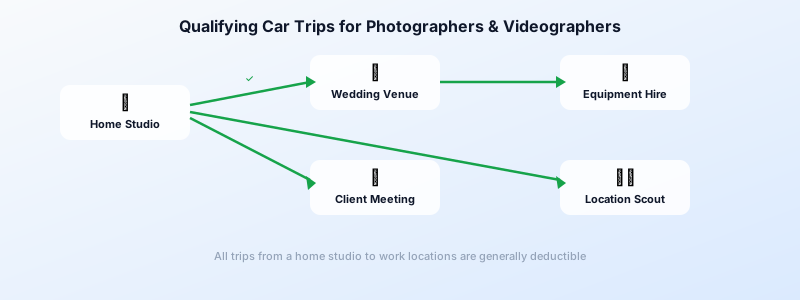
The ATO lets you deduct car expenses when you drive your own vehicle for work purposes. For photographers and videographers, common qualifying trips include:
- Travelling to shoot locations — weddings, events, portrait sessions, commercial jobs, and real estate photography
- Location scouting — driving to potential venues before a booked shoot
- Collecting or returning hired equipment — picking up extra lenses, lighting rigs, or backdrops
- Meeting clients — in-person consultations at cafes, offices, or the client’s home
- Delivering finished products — dropping off prints, albums, or USB drives
- Attending industry events — photography expos, workshops, and professional development courses
- Travelling between jobs — going from a morning corporate headshot session straight to an afternoon wedding
What does not qualify
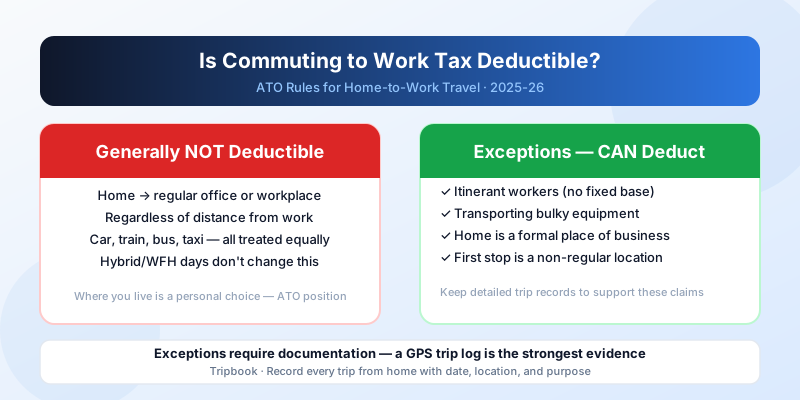
Your regular commute from home to a fixed studio or office is private travel and cannot be claimed. However, if you work from a home studio (with no separate commercial premises), your trips to shoot locations are generally deductible from home.
The bulky equipment rule may also apply. If you carry large, awkward equipment (lighting stands, large tripods, backdrop frames) and there is no secure storage at your workplace, the ATO may allow your home-to-work travel to qualify. This needs to be genuine and ongoing — not just carrying a camera bag.
Choosing a claiming method
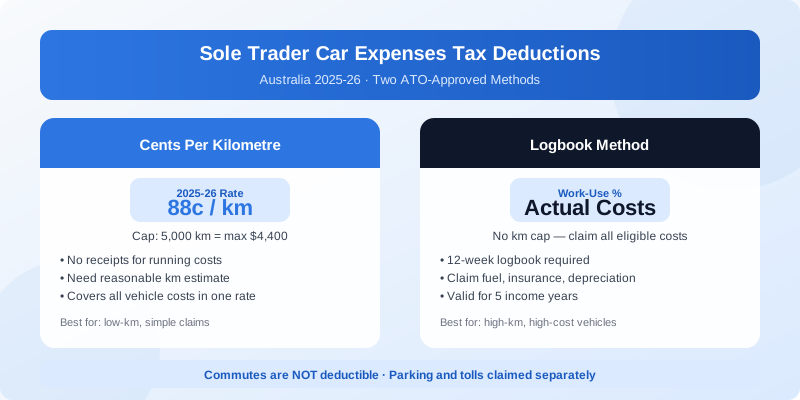
Cents per kilometre
Claim 88 cents per business km (2025–26 rate), capped at 5,000 km per year. The maximum deduction is $4,400. This suits photographers who shoot part-time or have a low volume of on-location work.
You do not need fuel receipts, but you must be able to demonstrate how you estimated your kilometres — a diary or tracking app is essential.
Logbook method
Keep a 12-week logbook to establish your business-use percentage, then apply it to all your car running costs for the year: fuel, rego, insurance, servicing, depreciation, and more. There is no kilometre cap.
Most full-time photographers and videographers drive well over 5,000 business km per year. If that describes you, the logbook method will almost certainly produce a larger deduction. A valid logbook lasts five years, making it well worth the initial effort.
For a detailed comparison, see our guide on logbook vs cents per km.
What running costs can you claim?
Under the logbook method, you can claim the business-use portion of:
- Fuel and oil
- Registration
- Comprehensive or third-party insurance
- Servicing, repairs, and tyres
- Depreciation (decline in value of the vehicle)
- Car loan interest (if applicable)
- Roadside assistance membership
- Car wash (if relevant to maintaining a professional appearance for client-facing work)
Parking and tolls
Parking fees and tolls incurred while travelling for work are claimed separately — they are not part of the car expense deduction. Keep receipts for each.
Sole trader vs employee
Many photographers and videographers are sole traders or operate through a company. In that case, car expenses are claimed as a business deduction in your business tax return.
If you are an employee (for example, a staff photographer at a media company), you claim at Item D1 of your individual return. You can only claim for travel your employer does not reimburse.
For more on sole trader deductions broadly, see our sole trader tax deductions guide.
Record-keeping essentials
The ATO expects clear documentation. Here is what to maintain:
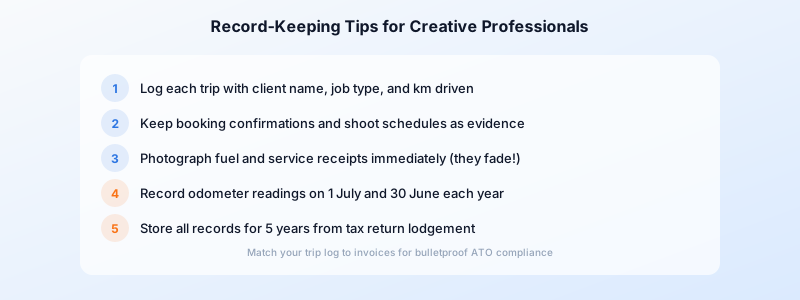
- A trip log — date, destination, client or job name, kilometres. A digital mileage tracker is ideal.
- A valid 12-week logbook (if using the logbook method) — recording every trip, business and private.
- Receipts for all running costs — fuel, insurance, rego, servicing. Digital copies are accepted.
- Annual odometer readings — at 1 July and 30 June each year.
- Evidence that trips were work-related — invoices, booking confirmations, client contracts, shoot schedules.
Tips to maximise your deduction
- Start a logbook during a busy period — if your business-use percentage is highest during wedding season or event season, beginning your 12-week logbook then can establish a higher (but still accurate) percentage.
- Track every trip — short drives to pick up props or meet a client still count. Small trips accumulate into significant kilometres over a year.
- Separate personal and business use — if you use one car for everything, your logbook must reflect the split honestly. The ATO pays close attention to inflated business-use percentages.
- Claim depreciation — if you drive a newer vehicle, depreciation is often the largest component of your logbook claim. Do not overlook it.
Tripbook makes it automatic
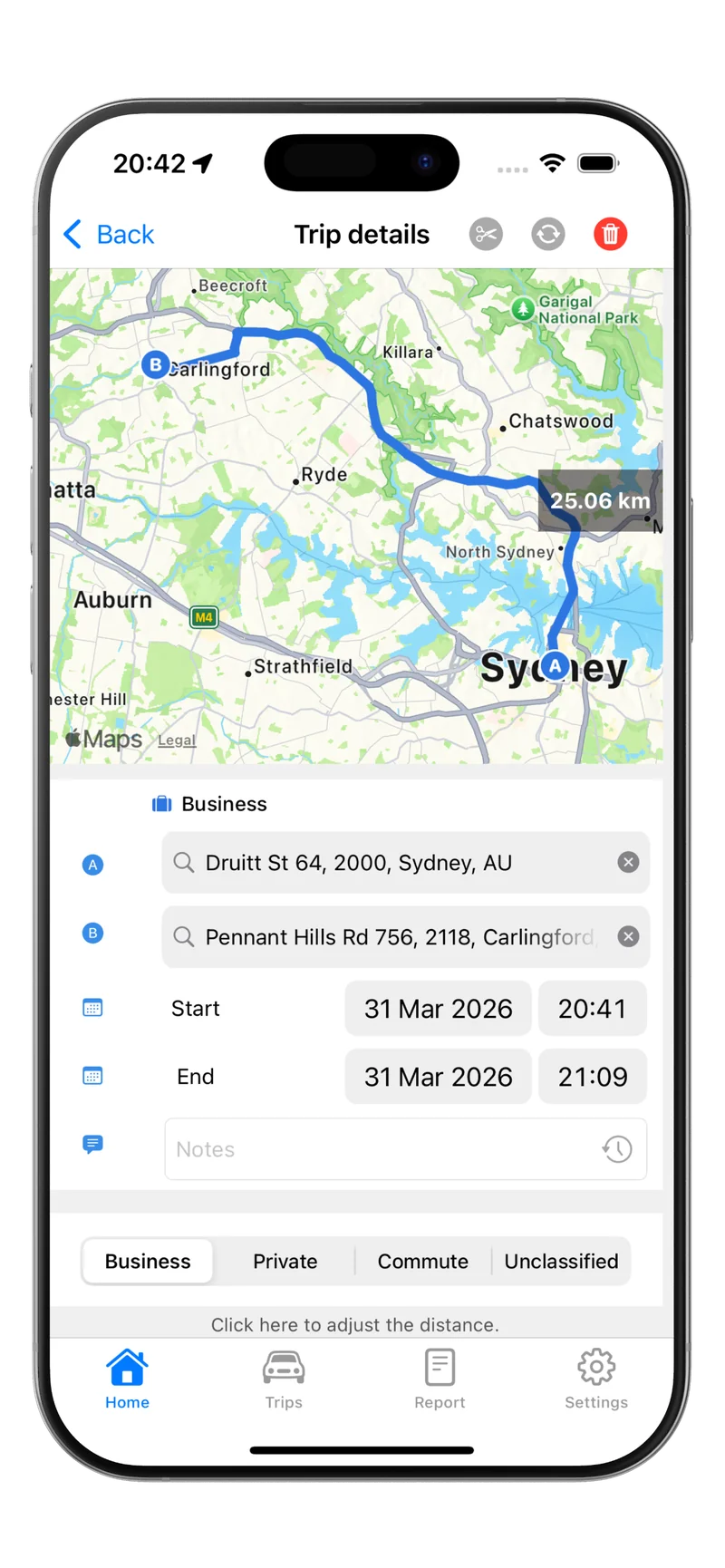
Between managing shoots, editing, and running your business, the last thing you want is another administrative task. Tripbook runs in the background on your phone, automatically recording every trip and letting you swipe to classify it as business or personal. At tax time, you have a complete, ATO-ready kilometre log without lifting a finger.