Photographers are on the move constantly. Between shooting weddings across the county, scouting locations before sunrise, hauling gear to client consultations, and running to the equipment rental shop, mileage tracking for photographers is one of the highest-value tax habits you can build. At the 2026 IRS rate of 72.5 cents per mile, even a modest photography side business can generate thousands of dollars in legitimate deductions from driving alone.
The challenge is that most photographers think about mileage at tax time — by which point half the trips are forgotten. This guide covers which miles count, how the numbers add up, and how to build a system that takes less than 30 seconds per drive.
Why Mileage Tracking for Photographers Adds Up Fast
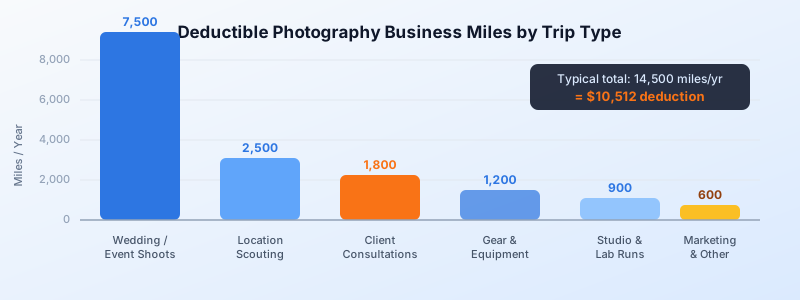
A wedding photographer working 200 events a year, each averaging 30 miles round trip, racks up at least 6,000 miles annually just from shoots. Add in location scouts, client meetings, gear pickups, and marketing appointments, and that number climbs to 8,000 or 10,000 miles easily.
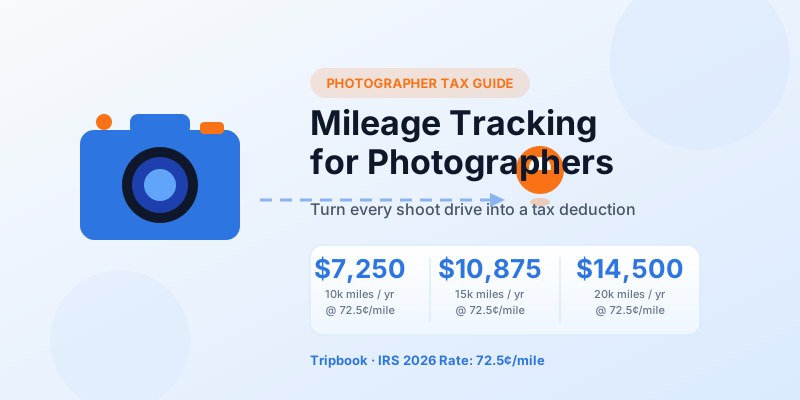
Event photographers who shoot 10 to 15 gigs per week face even higher numbers — often 15,000 to 25,000 business miles per year. At 72.5 cents per mile, that range translates to:
- 10,000 miles = $7,250 deduction
- 15,000 miles = $10,875 deduction
- 20,000 miles = $14,500 deduction
These are not small numbers. A $10,875 mileage deduction at a 25% effective tax rate saves you over $2,700 in taxes. That is real money sitting in unreported drive logs.
Which Trips Are Deductible for Photographers
The IRS allows self-employed photographers to deduct ordinary and necessary business travel. Here is what qualifies:
- Shoots: weddings, portrait sessions, events, commercial jobs, headshots — any paid assignment
- Location scouting: driving to scope out venues, parks, or urban areas before a shoot
- Client consultations: meetings at coffee shops, studios, or the client’s home or office
- Equipment runs: trips to the rental shop, camera store, or photo lab
- Studio time: driving to a rented studio space you do not own
- Business errands: visits to your bank, accountant, or printer for business-related purposes
- Marketing appointments: meeting a potential client, attending a networking event, or delivering prints
What does not qualify is the drive from your home to your first stop — unless you have a qualifying home office. More on that below.
Freelance vs Employee Photographers: Different Rules Apply
Your employment status changes everything here.
Self-employed photographers (sole proprietors, LLCs, 1099 contractors) deduct business mileage on Schedule C. Every qualifying drive reduces your net profit, which lowers both income tax and self-employment tax. You benefit from the full deduction.
W-2 photographer employees cannot deduct unreimbursed work expenses. The Tax Cuts and Jobs Act of 2017 eliminated the miscellaneous itemized deduction that used to cover this. If your employer does not reimburse your mileage, it simply is not deductible for you.
The practical takeaway: if you shoot any freelance work alongside a staff job — even one paid gig per month — track those freelance miles carefully and report them on Schedule C. That side income qualifies even if your primary job does not.
How Much Can Photographers Actually Save?
Let us run a concrete example. A portrait and wedding photographer earns $75,000 per year from freelance work and drives 12,000 business miles.
- Mileage deduction: 12,000 × $0.725 = $8,700
- At a combined federal + self-employment effective rate of roughly 30%, that deduction saves approximately $2,610 in taxes
Over five years, consistently tracking mileage at that pace saves over $13,000 compared to a photographer who skips it. The trips were happening either way — the only difference is whether they were logged.
What Else Photographers Can Deduct Besides Mileage
Mileage is one of several major deductions available to freelance photographers. Others worth tracking:
- Camera bodies and lenses: deductible in the year purchased or depreciated over time; high-cost equipment can often be fully expensed under Section 179
- Editing software: Adobe Creative Cloud at roughly $600 per year is fully deductible
- Memory cards, batteries, bags, and straps: consumables and accessories count
- Lighting equipment: strobes, continuous lights, and modifiers all qualify
- Studio rent: if you rent space by the day or month, that is a business expense
- Website and marketing: domain, hosting, paid ads, business cards, and portfolio printing
- Education: workshops, online courses, and conference fees
Building an Easy Mileage Tracking System
The biggest barrier to mileage tracking is not the work — it is the habit. Most photographers who lose out on the deduction do so simply because they forgot to log the drive until it was too late.
Your log needs to capture four things for each trip: the date, starting and ending location, business purpose, and total miles. That information is what the IRS looks for if your return is ever questioned.
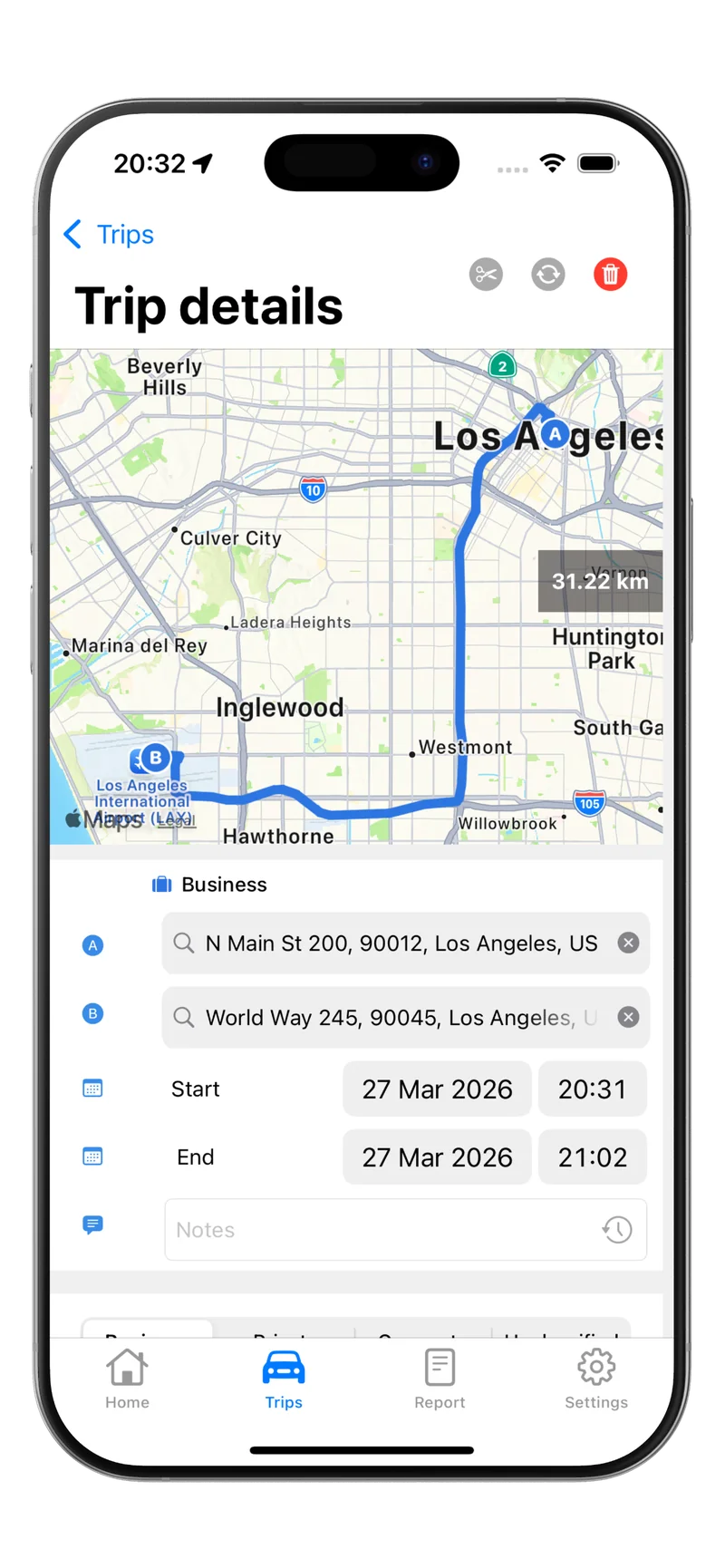
The easiest way to build that habit is to use an iPhone app that does the logging automatically. Tripbook detects when you start driving and logs the trip in the background. After the shoot, you open the app, assign the trip a category — “photography shoot,” “client consult,” or whatever fits — and move on. Each entry takes about 10 seconds.
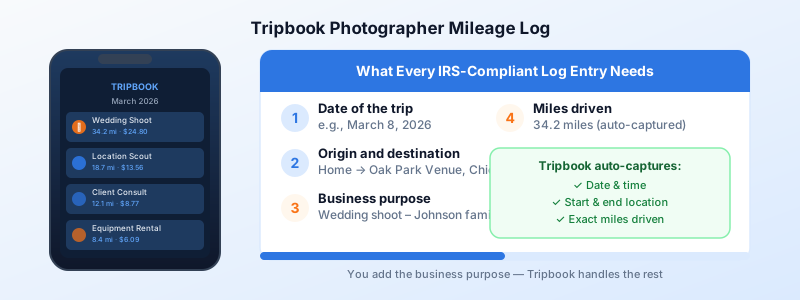
At year end, you export a clean, date-sorted CSV or PDF that goes straight to your accountant. No spreadsheets to reconstruct, no receipt boxes to dig through, no guessing at how far that March wedding shoot was.
Check the IRS mileage log requirements to make sure your records meet the standard — then build a system that creates those records automatically.
Make Every Drive Count
Photography is a business where your vehicle is a tool just like your camera. The miles you put on it to serve clients, find locations, and keep your business running are legitimate business expenses. The only question is whether you are capturing them.
A busy photographer who tracks diligently can deduct $7,000 to $14,000 in mileage alone — often more than any other single expense category. That deduction does not require any extra spending. It just requires a log.
Ready to start? Download Tripbook on the App Store and log your next shoot drive in seconds. Your future self at tax time will thank you.