New York mileage reimbursement operates differently from states like California or Illinois. There is no general state law requiring private employers in New York to reimburse employees for business mileage. However, several legal protections and practical considerations make mileage reimbursement a critical issue for New York employers and employees.
Understanding the rules is essential because New York’s high minimum wage thresholds, contractual obligation laws, and the sheer cost of driving in the state create real financial exposure for employers who ignore reimbursement.
Does New York Require Mileage Reimbursement?
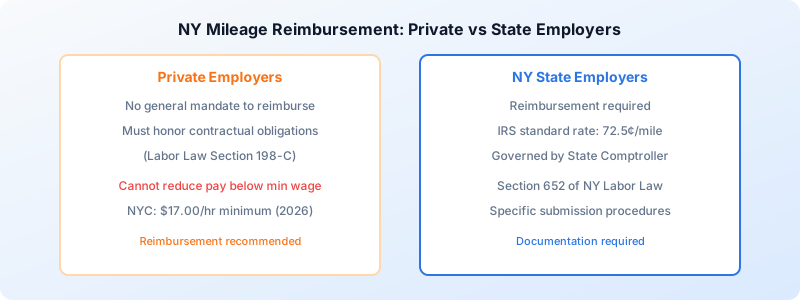
No. New York does not have a blanket law mandating that private employers reimburse employees for business mileage. Only three states currently require mileage reimbursement by law: California, Illinois, and Massachusetts. For a complete overview, see our guide on state mileage reimbursement laws.
However, New York law does create indirect obligations that effectively require reimbursement in many situations.
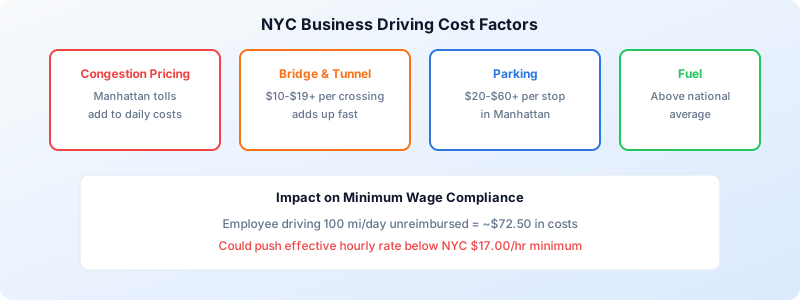
Minimum wage protection. Unreimbursed business driving expenses cannot push an employee’s effective hourly wage below New York’s minimum wage. In New York City, the minimum wage is $17.00 per hour in 2026. Across the rest of the state, the rate varies by region. If an employee drives 100 miles in a day at their own expense, that is approximately $72.50 in unreimbursed costs. For a low-wage employee, those costs can easily push their effective pay below the minimum wage floor, creating a legal violation.
Labor Law Section 198-C. This provision requires employers to honor any contractual obligations to reimburse employees. If your employer has a mileage reimbursement policy in place or has agreed to reimburse driving costs in your employment contract, they must follow through. Failing to pay agreed-upon reimbursements violates New York law.
New York State Employee Reimbursement
New York State government employees are subject to different rules. The state reimburses employees for business use of personal vehicles at the IRS standard mileage rate, which is 72.5 cents per mile for 2026. The New York State Comptroller and Section 652 of the New York Labor Law govern these reimbursements.
State employees must follow specific submission procedures and mileage documentation requirements. These rules do not apply to private sector employees but serve as a useful benchmark for what constitutes fair reimbursement.
Why Smart Employers Reimburse Anyway
Even without a direct mandate, most New York employers who require employees to drive for work choose to reimburse mileage. Here is why.
Minimum wage compliance. As described above, unreimbursed driving costs can push effective wages below the minimum wage floor, especially in New York City where $17.00 per hour is the threshold. The financial risk of a wage complaint far exceeds the cost of reimbursement.
Recruitment and retention. New York is a competitive employment market. Employees who drive for work expect reimbursement, and companies that do not offer it lose talent to those that do.
Tax efficiency. Mileage reimbursements under an accountable plan are tax-free to employees and deductible for the employer. Neither side pays income or payroll taxes on the reimbursement. A car allowance, by contrast, is fully taxable.
Legal risk reduction. A well-documented reimbursement policy reduces the chance of wage claims, class actions, or Department of Labor complaints.
Building a New York Mileage Reimbursement Policy
An effective policy for New York employers should address the reimbursement rate, documentation requirements, and submission processes.
Set the per-mile rate at the IRS standard of 72.5 cents per mile for 2026. This rate is defensible, widely accepted, and keeps reimbursements tax-free when paid under an accountable plan. Require mileage logs that include the date, starting location, destination, business purpose, and miles driven for each trip. Establish a submission deadline, typically within 30 days of the expense. Cover parking and tolls in addition to mileage, as New York drivers face some of the highest toll and parking costs in the country. Define which driving qualifies as business travel and exclude normal commuting.
New York City Considerations
Driving for work in New York City presents unique challenges. Congestion pricing, bridge and tunnel tolls, parking garage costs, and high fuel prices make the actual cost of business driving significantly higher than in most of the country.
While the IRS rate of 72.5 cents per mile is a reasonable starting point, employers with employees driving in the five boroughs should consider whether it adequately covers actual costs. If employees can demonstrate higher costs, employers face potential exposure under the minimum wage provisions.
For roles that involve heavy city driving, some employers supplement mileage reimbursement with direct payment for tolls and parking rather than expecting those costs to be absorbed by the per-mile rate.
Employee Rights and Tracking Your Miles
If you are a New York employee who drives for work, track your mileage whether or not your employer currently reimburses you. Accurate records serve multiple purposes. They support reimbursement claims if your employer has a policy. They provide evidence for minimum wage complaints if your unreimbursed costs push your effective pay below the threshold. And they document contractual reimbursement obligations under Labor Law Section 198-C.
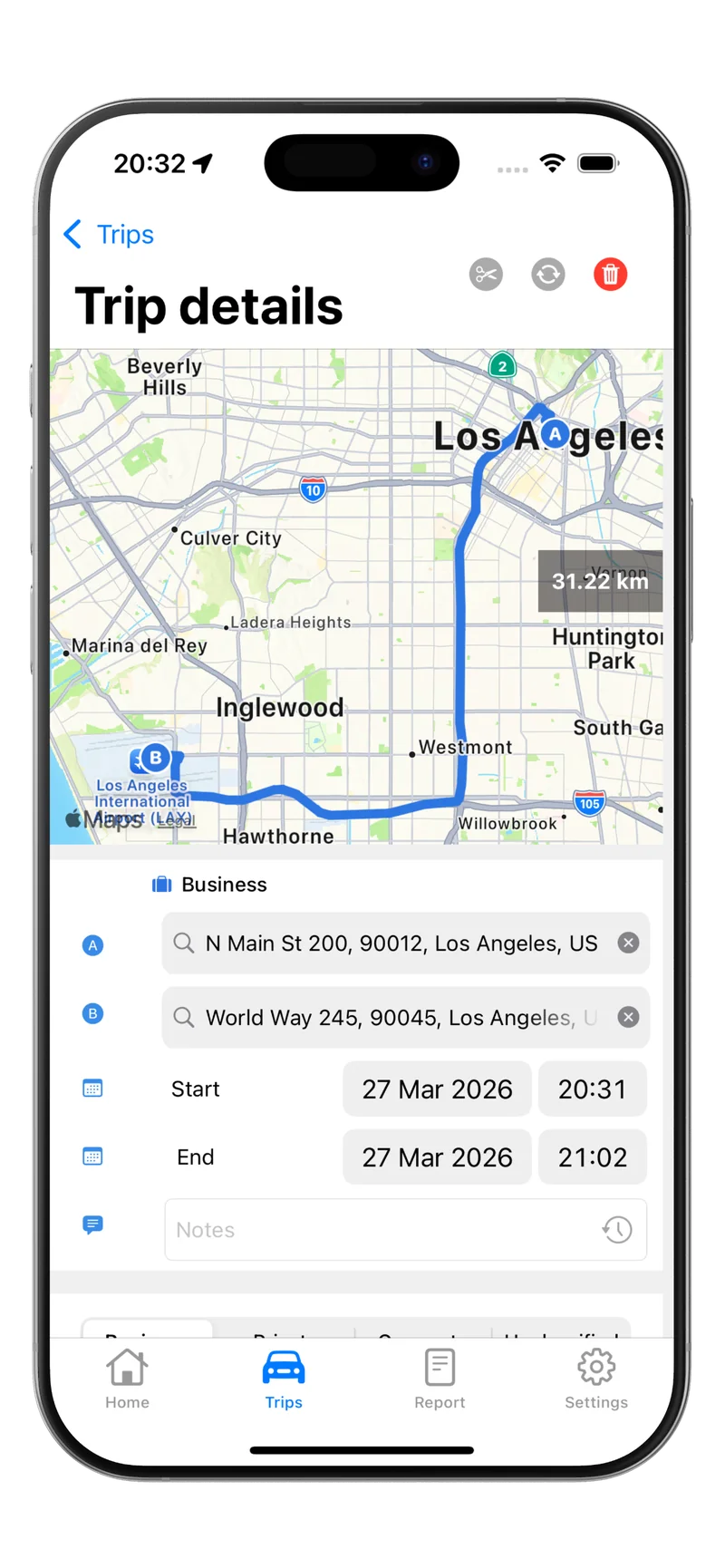
Tripbook captures every business trip automatically with GPS tracking, recording the date, route, distance, and business purpose. This creates the documentation needed to support reimbursement requests or legal claims.
Keep Records and Know Your Rights
New York mileage reimbursement may not be universally mandated, but the state’s high minimum wages, contractual obligation laws, and competitive labor market make it a practical necessity for most employers. Whether you are building a policy or claiming your reimbursement, accurate mileage records are the foundation.
Download Tripbook and track every business mile in New York with automatic, GPS-verified mileage logs.