Nonprofit mileage reimbursement is actually two separate conversations — one for the organization writing checks and one for the volunteer behind the wheel. Get them mixed up and someone either overpays taxes or runs into trouble with the IRS. This guide walks through both sides clearly, so your nonprofit and your volunteers stay on the right side of the rules.
Two Questions, One Topic
When someone volunteers for a nonprofit and drives their own car, two questions come up:
- Should the nonprofit reimburse the driver? If yes, how much, and how do you keep it tax-free?
- If the nonprofit doesn’t reimburse, can the volunteer deduct the miles on their taxes?
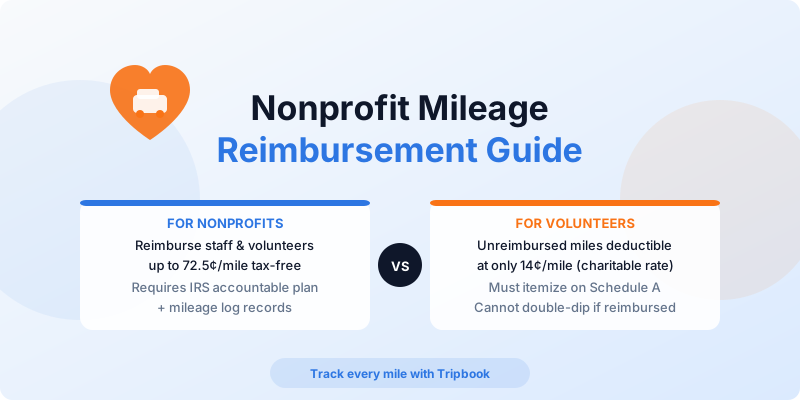
The answers depend entirely on which hat you’re wearing — and critically, you cannot do both. A volunteer who receives reimbursement cannot also claim a tax deduction for the same miles. The IRS calls that double-dipping, and it doesn’t fly.
How Nonprofits Reimburse Volunteers (and Staff)
A 501(c)(3) or other tax-exempt organization can reimburse volunteers and employees for mileage without creating taxable income — but only if the reimbursement goes through an IRS accountable plan.
Under a properly structured accountable plan, your nonprofit can pay up to 72.5 cents per mile (the 2026 IRS standard rate) completely tax-free. No W-2 income for the volunteer. No payroll taxes for the organization.
The IRS Accountable Plan Rules
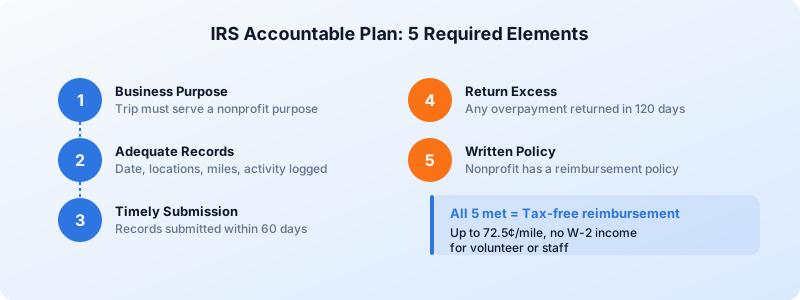
Five elements make a reimbursement plan “accountable” in IRS terms. Miss any one of them and reimbursements could become taxable wages.
1. Business purpose. Every trip must serve a genuine nonprofit purpose — delivering meals, transporting clients, staffing an event the organization runs.
2. Adequate records. Drivers must document the date of each trip, starting and ending locations, total miles, the name of the organization served, and the activity performed.
3. Timely submission. Records need to be submitted to the organization within a reasonable period — the IRS safe harbor is 60 days after the expense is incurred.
4. Return of excess. If you pay an estimated amount and the actual miles come in lower, the driver returns the overage within 120 days.
5. Written policy. A formal document spelling out how the reimbursement process works. This doesn’t need to be long — even a one-page policy signed by the board is enough.
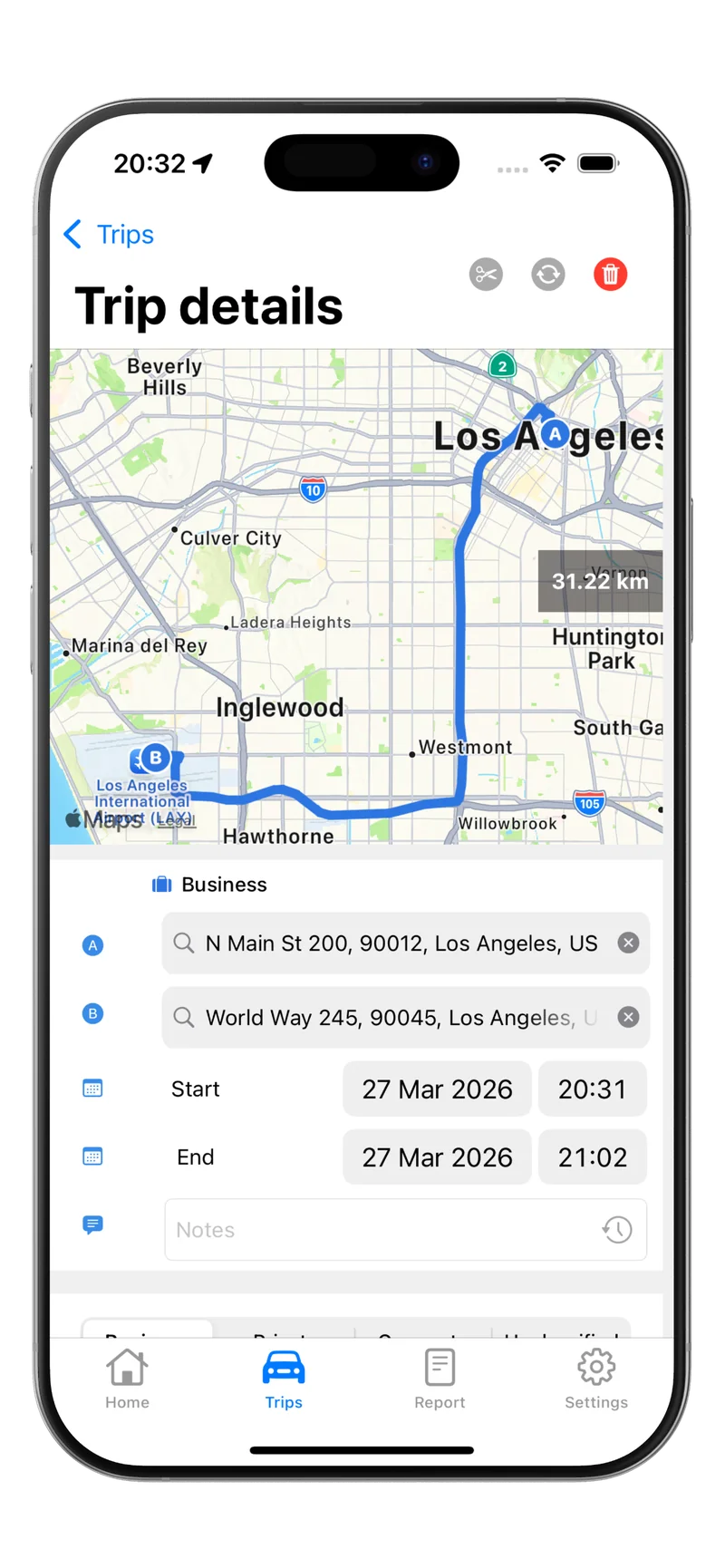
Apps like Tripbook make compliant logging simple — drivers capture each trip automatically and export a report that meets every IRS requirement. The log includes GPS-verified start and end points, distance, and a field for the volunteer activity description.
The Volunteer’s Side: Deducting Unreimbursed Miles
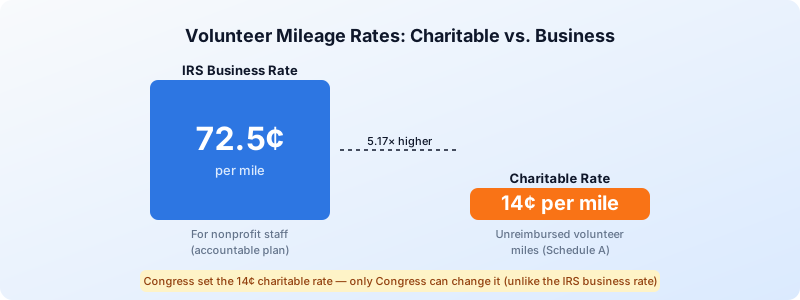
If your nonprofit does not reimburse a volunteer’s mileage, the volunteer may be able to deduct those miles on their personal tax return — but only at the 14-cent-per-mile charitable rate, not the 72.5-cent business rate.
Congress, not the IRS, sets the charitable mileage rate, which is why it has stayed at 14 cents for many years while the business rate adjusts annually.
To claim the deduction, the volunteer must:
- Itemize deductions on Schedule A (Form 1040). If you take the standard deduction — which most Americans do — you get zero benefit from volunteer miles.
- Drive for a qualified charitable organization (a 501(c)(3), not a political campaign or lobbying group).
- Keep a mileage log just as thorough as what a nonprofit would require.
Deductible volunteer driving includes: delivering meals on behalf of a food bank, transporting disabled clients to medical appointments, setting up and staffing a nonprofit’s fundraising events, and driving to training sessions required by the charity.
Not deductible as charitable: driving to religious services (as opposed to driving for a charity that the religious organization runs), political canvassing, lobbying trips, or driving to your own place of employment.
Setting Up a Fair Volunteer Mileage Program
For most nonprofits, the cleanest setup is to reimburse at the full IRS rate rather than leave volunteers holding an underwhelming 14-cent deduction. Here’s how to build a program that works:
Step 1: Write a one-page reimbursement policy. State the rate (72.5¢/mile), the required log fields, the submission deadline, and who approves requests. Have the board approve it.
Step 2: Give volunteers a log format. The IRS requires: date, starting location, ending location, organization name, volunteer activity, and miles driven. A simple spreadsheet template or a mileage tracking app handles this.
Step 3: Set a submission cycle. Monthly is typical. Require logs before you cut checks — not the other way around.
Step 4: Keep records on both sides. The organization should retain copies of every approved mileage report for at least three years (ideally seven, matching the IRS audit window).
For organizations managing a large volunteer workforce, having each driver use Tripbook means logs come in pre-formatted, GPS-verified, and export-ready. There’s no manual reconciliation and no disputes over distances.
What Happens If You Don’t Have an Accountable Plan?
Reimbursements made outside an accountable plan become taxable income to the recipient, even if the trip was entirely for nonprofit purposes. The organization must withhold payroll taxes or add the amount to the recipient’s W-2. For volunteers who aren’t employees, you could inadvertently create an employment relationship.
It’s one of those areas where a small administrative investment — writing the policy and requiring logs — saves a disproportionate amount of trouble. If your organization has been reimbursing mileage informally, now is the time to formalize the process. You can read more about general reimbursement frameworks in our guide to accountable plan mileage reimbursement.
Keeping Track: The Log Requirements
Whether you’re a volunteer deducting miles or a nonprofit reimbursing them, the IRS wants the same core information for each trip:
- Date of the trip
- Starting address (or at minimum, starting city)
- Ending address
- Name of the charitable organization
- Description of the volunteer activity
- Miles driven
A contemporaneous log — meaning you record trips as they happen, not from memory at tax time — is far more defensible than a reconstructed one. If you use a tracking app, that timestamp and GPS data is already built in.
The Bottom Line on Nonprofit Mileage Reimbursement
Nonprofit mileage reimbursement works best when organizations take responsibility for it rather than passing the burden to volunteers. Paying 72.5 cents per mile through an accountable plan keeps reimbursements tax-free for everyone and ensures the IRS log requirements are actually met. If reimbursement isn’t possible, volunteers driving unreimbursed miles can deduct them — but only at 14 cents per mile, only if they itemize, and only for qualified charitable activities.
Either way, every driver needs a reliable mileage log. Download Tripbook on your iPhone to track every volunteer trip automatically — and arrive at tax time or reimbursement day with records that meet every IRS requirement.